
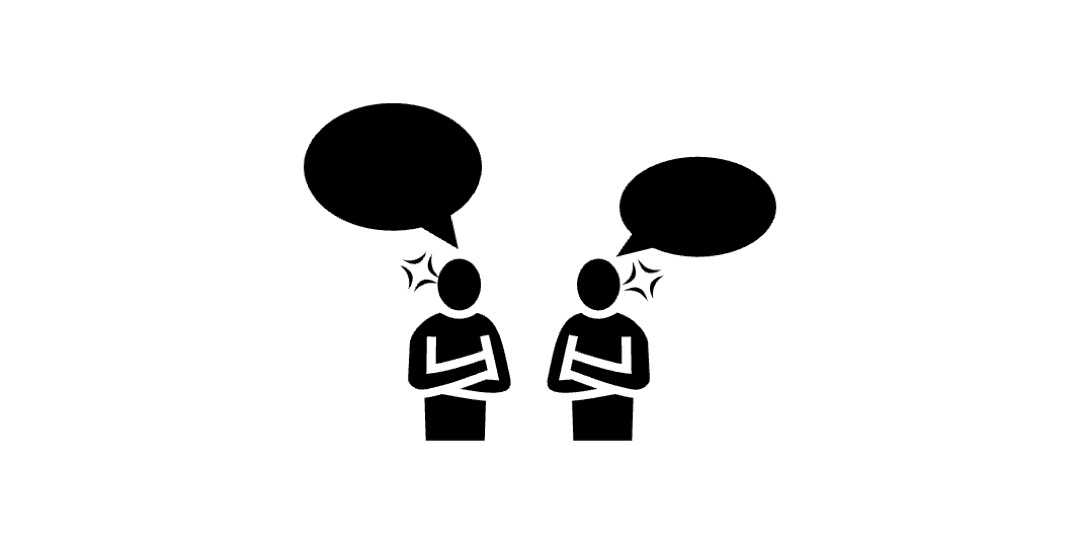
I recently read an interesting essay titled “The Art of Insulting” (罵人的藝術), written by Mr. Liang Shih-chiu (1903–1987).
The author makes his point clear from the very beginning: there isn’t a single person in this world who doesn’t criticize or insult others. However, the process of choosing “what to insult,” “what not to insult,” and “how to insult” is actually a highly moral endeavor. Bottling up the urge to speak out can lead to inner frustration and even physical health issues. Therefore, refraining from it entirely is unnecessary. As for how to go about it—that is where wisdom and art come into play.
The essay is concise and refined. The author lists ten points, providing witty analysis and dialectics for each. I highly recommend reading the original text, but I’ll share a few highlights here.
Liang suggests that when you insult someone, you should pick someone who surpasses you in every aspect so that you don’t come out at a loss. If they choose to talk back, it means they view you as being on the same level.
If you insult a “big shot,” the only thing to fear is their silence. If they snap back, you’ve succeeded, because only those of equal status are willing to engage in a back-and-forth.
He also notes that insults should be subtle, with the goal of creating a “delayed reaction.” Ideally, the target shouldn’t realize they’ve been insulted at first; it’s only when they reflect on it later that they realize the words weren’t kind. Using elegant language helps achieve this, and it is even better if you can quote the person’s own words back at them.
Furthermore, the biggest taboo in insulting is impulsiveness. The lowest way is to cause a public scene. A more sophisticated method is to wait until the other person is exhausted from yelling, then drop a brief comment or a cold laugh—this is enough to drive them crazy.
Finally, the author reveals the true purpose of the essay: it isn’t just to teach people how to insult, but also to help readers understand the mindset of those who do. It’s a clever twist at the end.
My Thoughts
I never imagined that insulting someone could have so many facets; it was quite an eye-opener.
Looking at the people in real life who love to lash out through the lens of these standards, I suddenly feel they are not wise. Whether they are shouting until they are red in the face or being blatantly rude, it’s simply not smart.
Now, when facing people who insult me for no reason, I have better ways to respond. I also realize that, in their eyes, I must be quite a “big shot”! Hahaha.
Reference:
梁實秋(秋郎)。〈罵人的藝術〉。《罵人的藝術》,新月書店,1927 年,頁 1–10。
Further Reading: The Great Master–Liang Shih-chiu Has Not Left Us
Thumbnail and Banner: Icons by Game-Icons, licensed under CC BY 3.0. Modified by Alice Hsu.
NB: This article was first published in Chinese on 01/15/26. It was later translated with assistance from Typeless, edited by me, and published in English on 01/24/26.